A journey from being bullied and nearly giving up, to standing before hundreds of future ICT professionals as living proof that your darkest moments can become your greatest testimony.
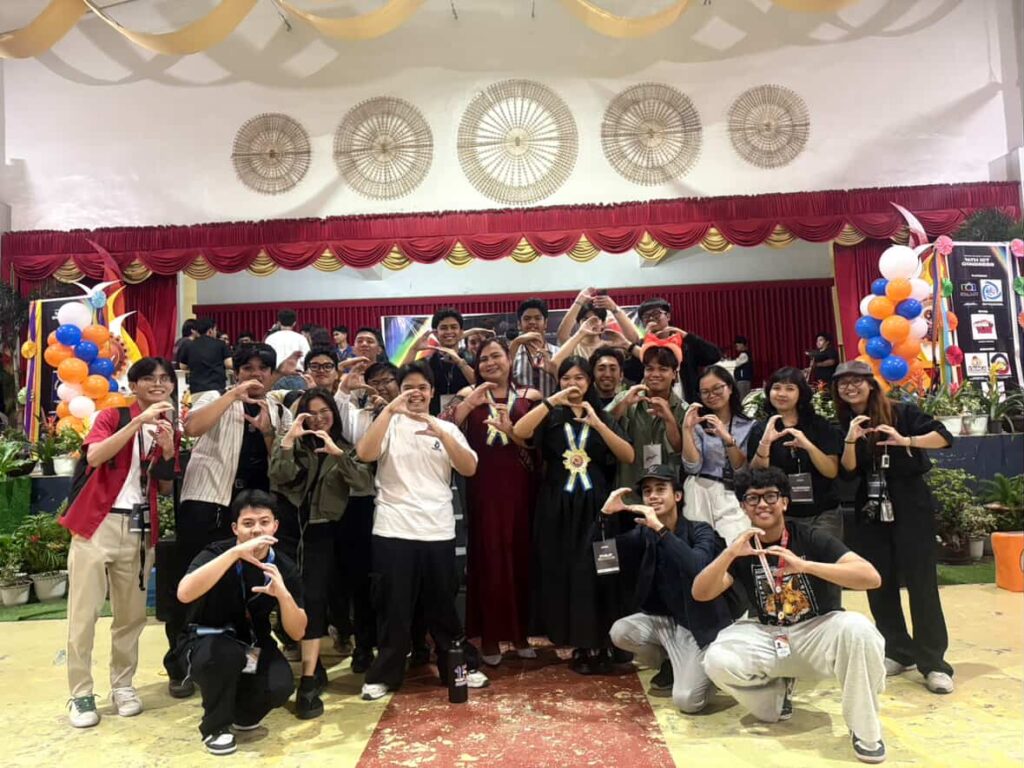
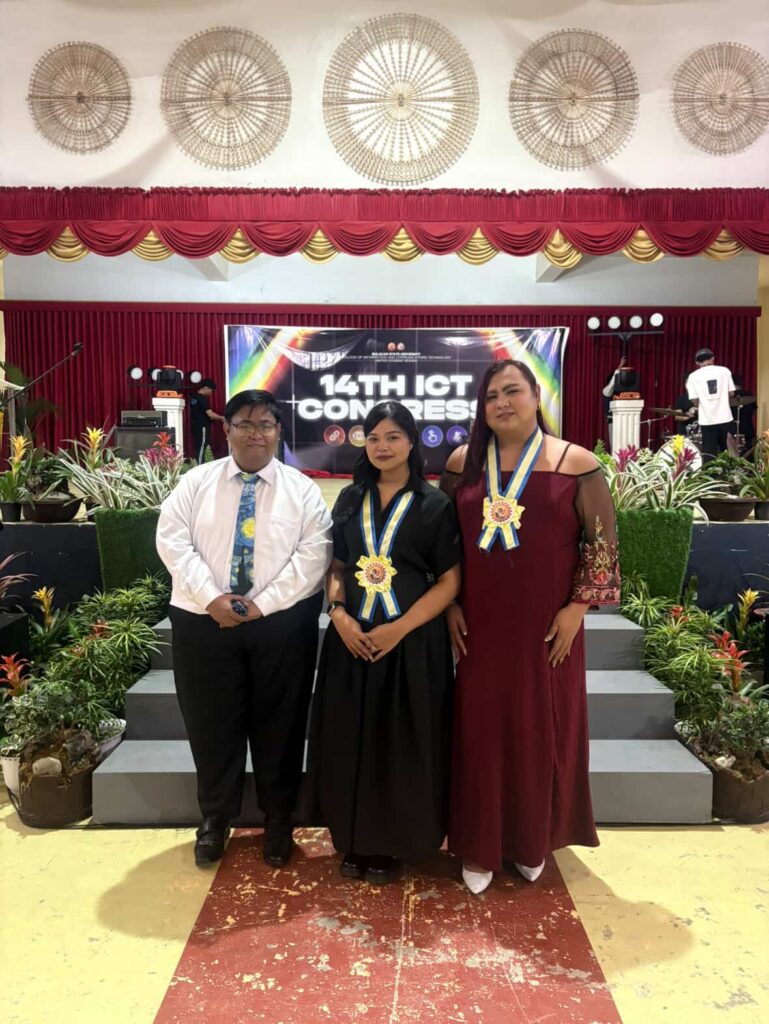
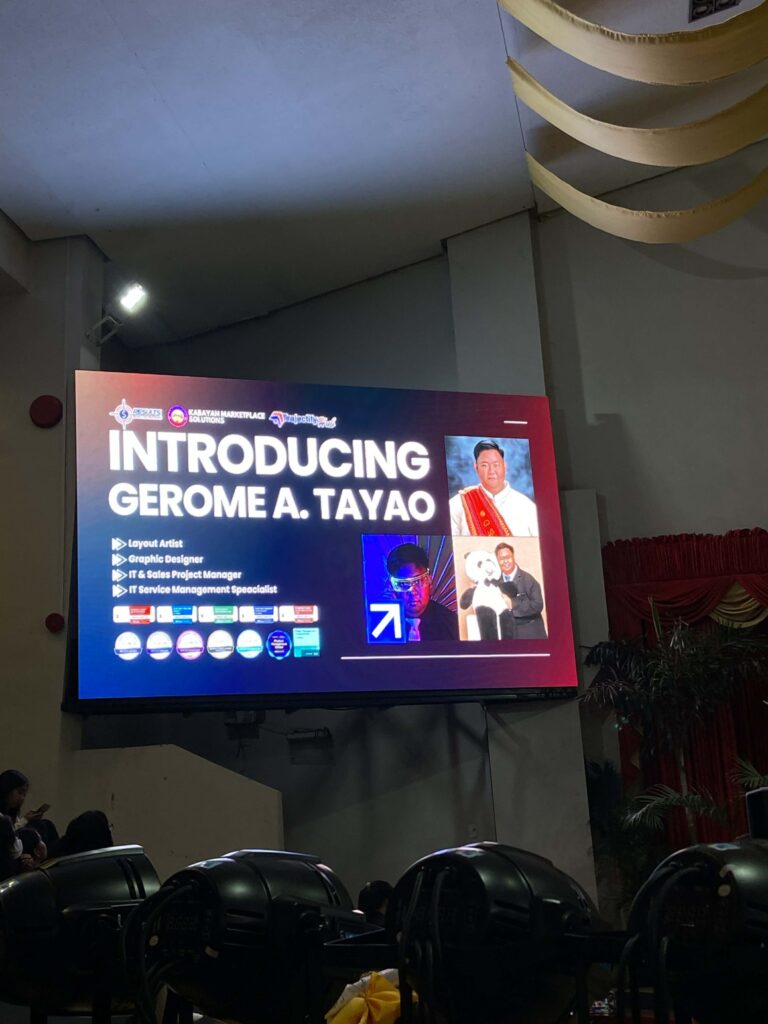
On December 9, 2025, I stood before hundreds of students at Bulacan State University’s 14th ICT Congress, invited by the BULSU CICT United Student Bodies (USB) to share something I never imagined I’d have the courage to speak about publicly: my story of being bullied, nearly broken, and somehow finding my way to building a career in technology. The theme of the congress was “ICT for All: Focusing on General Inclusivity including Marginalized Communities and Persons with Disabilities”—a theme that resonated deeply with my own experience of feeling marginalized, of being the kid who couldn’t see the board and couldn’t escape the cruelty of his classmates.
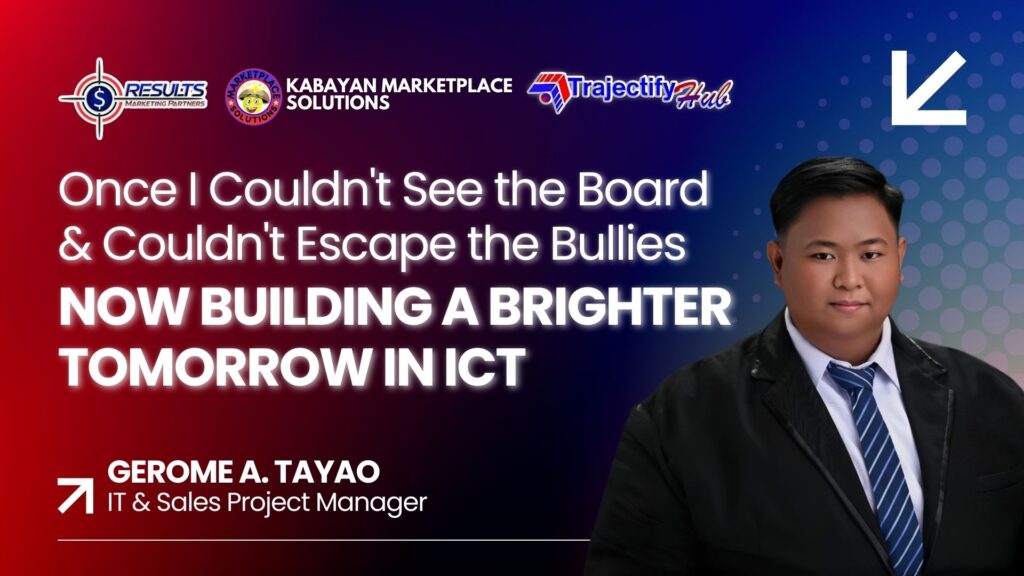
The venue was filled with BSIT, BSIS, and BLIS students—young people full of potential, some of whom were probably carrying their own hidden struggles. As I looked out at their faces, I remembered being exactly where they were: uncertain, sometimes hurting, wondering if I belonged in this field at all. My presentation was titled “Once I Couldn’t See the Board and Couldn’t Escape the Bullies — Now Building a Brighter Tomorrow in ICT,” and it was the hardest presentation I’ve ever prepared. Not because of the technical difficulty, but because it required me to revisit the most painful chapters of my life and transform them into something that could light the way for someone else.
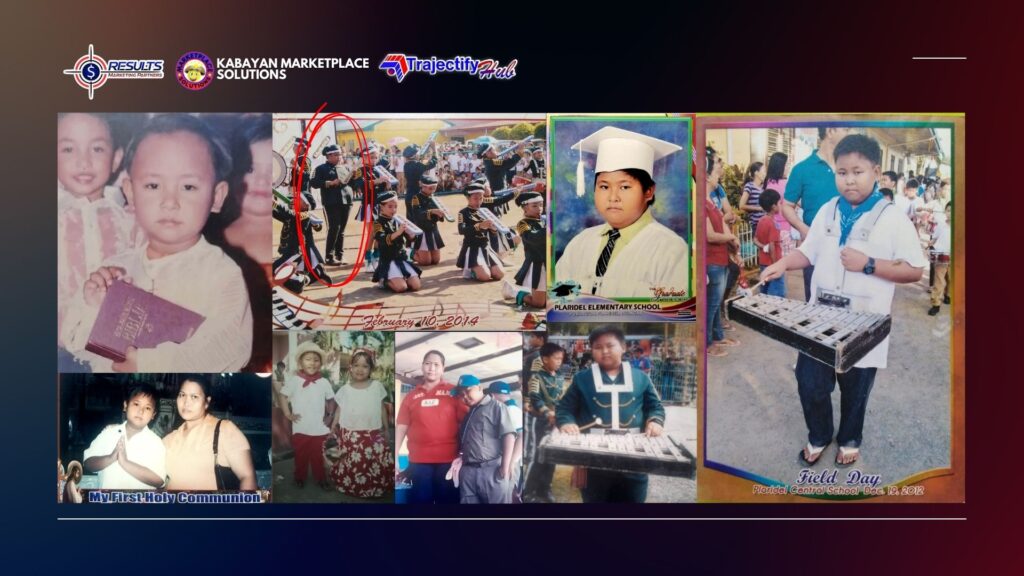
I shared my journey through high school, where undiagnosed myopia made learning nearly impossible. I talked about writing my notes on the floor just to get close enough to see what was on the board. I spoke about the bullying—the name-calling, the isolation, eating lunch alone, hiding in restrooms to cry. I opened up about how my weight and academic struggles made me an easy target, how I was constantly pinched and touched in ways that made me feel unsafe in my own body. And I shared the moment I almost gave up completely, when I told my parents I didn’t want to go to school anymore, when my childhood dream of becoming a teacher seemed impossibly far away.
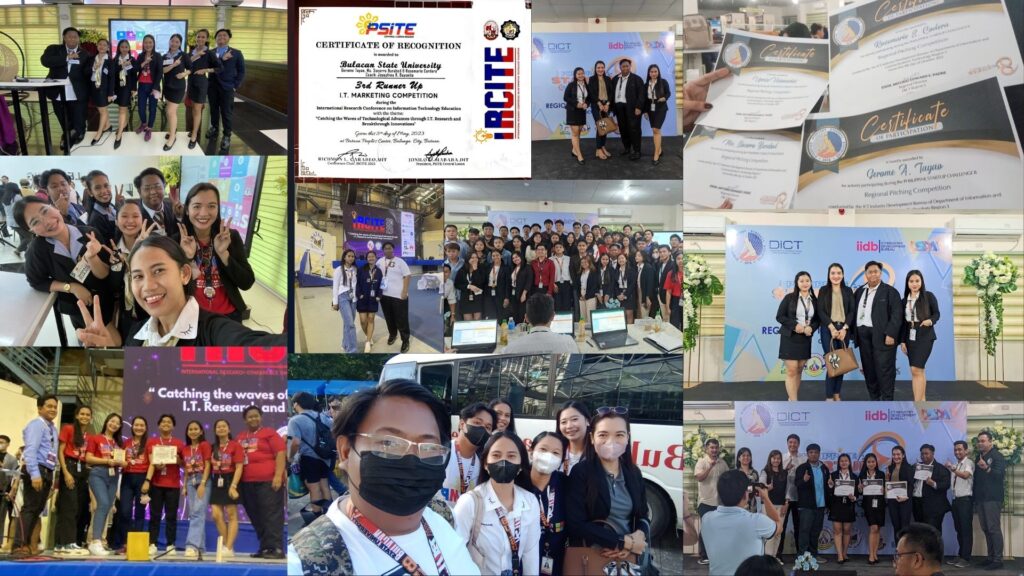
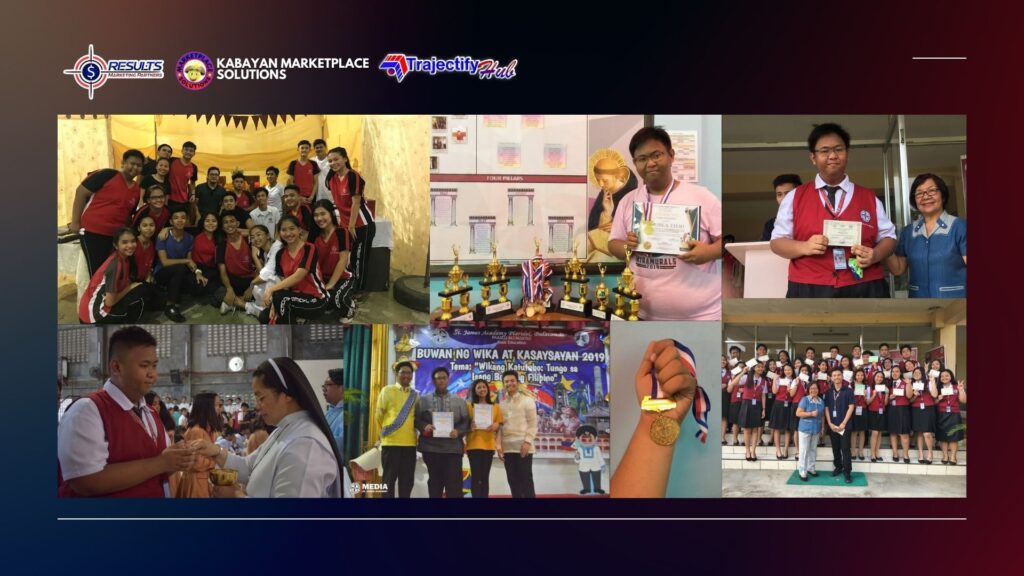
But I also shared the turning point: learning to speak up, my parents fighting for me, getting the right glasses, and most importantly, the teacher who saw potential in me when I couldn’t see it in myself. Maam Maricar Medina-Legaspi discovered my talent for graphics and multimedia, trained me in Adobe Flash, and encouraged me to compete at the Technokids IT Cup at De La Salle University—where I became a top 10 finalist out of 300+ students from across Luzon. That moment sparked everything that followed.
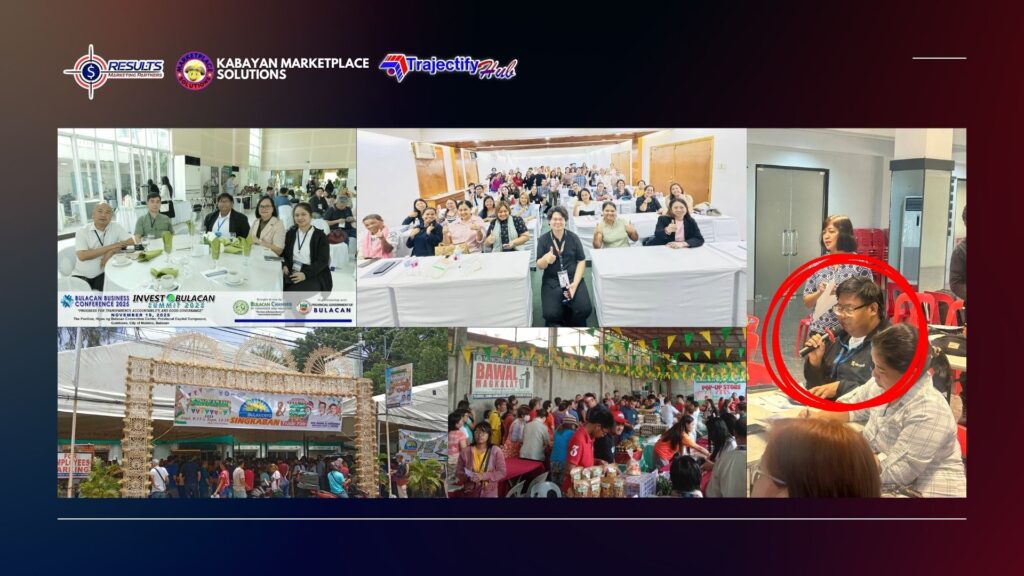
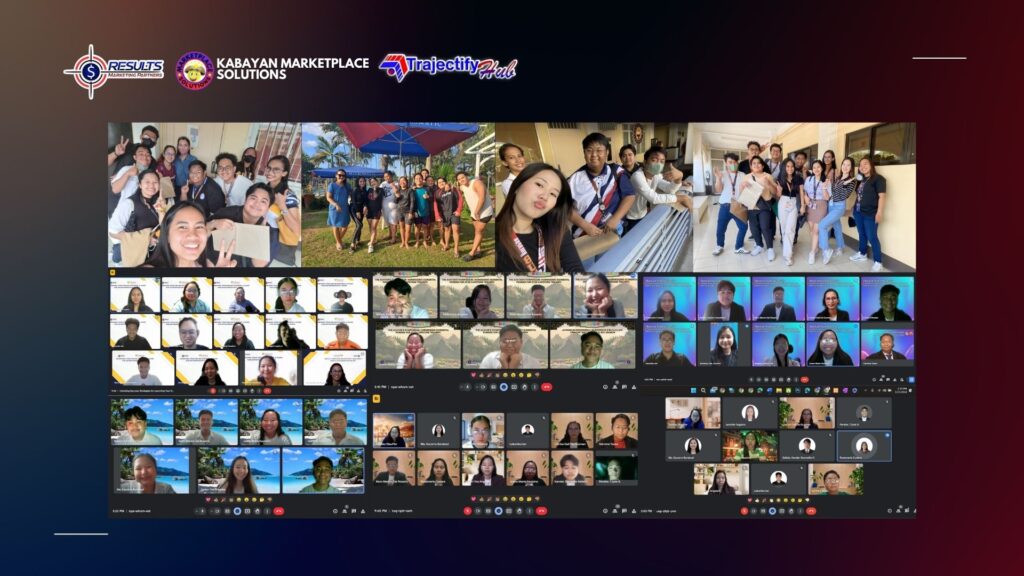
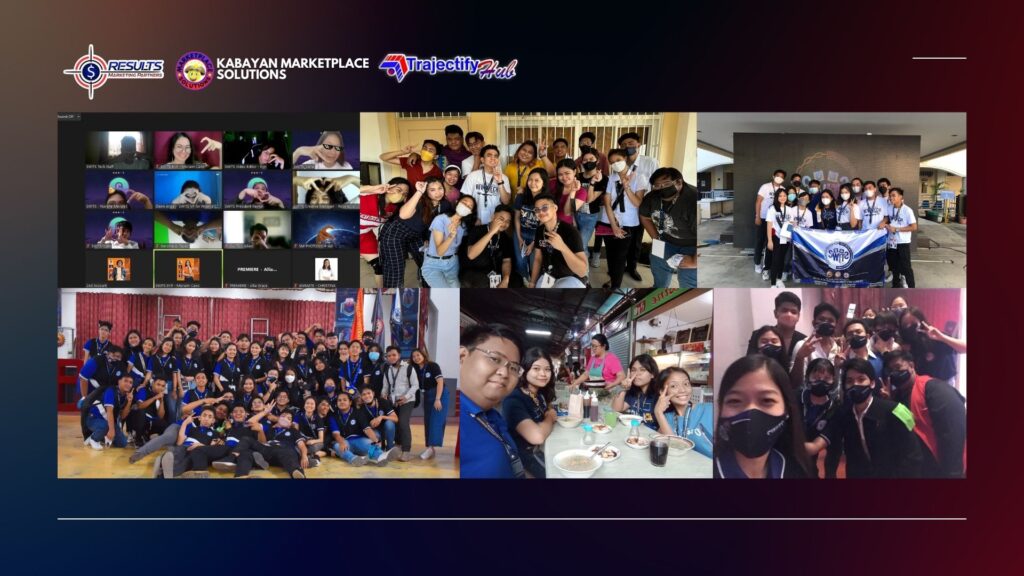
I traced my journey through BulSU-CICT, where professors like Maam Jho believed in me even when I doubted myself, where my student organization SWITS (represented at the event by Kuya Rainiel and Mima Roselle) made me feel worthy and valued. I shared how I went from struggling in programming classes to graduating Magna Cum Laude and becoming a President’s Lister. And I talked about my current role as Project Manager at Results Marketing Partners, a digital marketing agency based in Pennsylvania, where I get to mentor interns, conduct webinars for MSME owners, and yes—teach, just not in the way I originally imagined.
The most powerful part of my talk was the reconciliation story: how my former bullies and I eventually became friends. That moment of mutual healing showed everyone in the room that transformation is possible, not just for the victim, but for everyone involved.
The Light in the Darkness
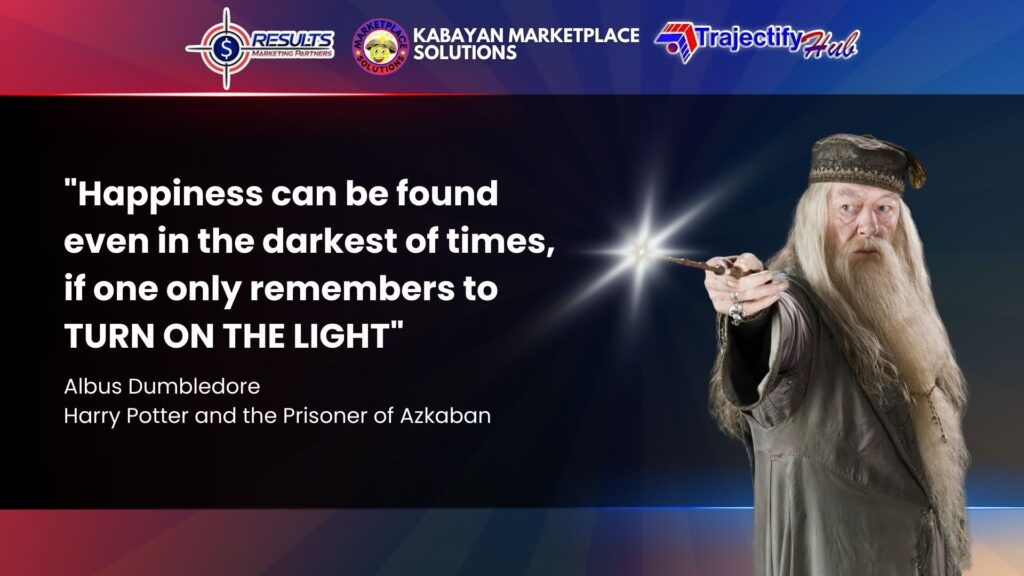
“Happiness can be found even in the darkest of times, if one only remembers to turn on the light.” — Albus Dumbledore
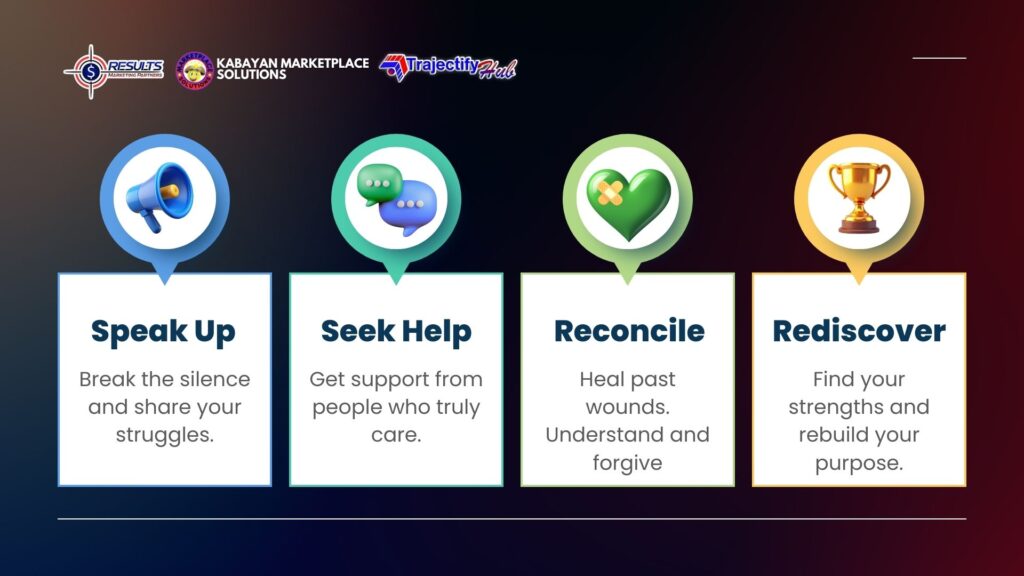
This quote from Professor Dumbledore perfectly captures what I wanted the students at the ICT Congress to understand. When you’re in the middle of being bullied, when you can’t see the board both literally and figuratively, when you feel isolated and misunderstood—it’s easy to believe the darkness is permanent. But the light is always there. Sometimes it’s in a parent who listens, a teacher who sees your potential, a friend who stands by you, or simply in your own decision to speak up and seek help.
My journey wasn’t about erasing the darkness I experienced. Those painful years in high school are still part of my story. But I learned to turn on the light—through speaking up to my parents, through getting the medical help I needed, through accepting support from teachers and mentors, and through choosing to keep moving forward even when I wanted to quit. Each of those choices was an act of turning on the light, and collectively, they illuminated a path I couldn’t have imagined when I was that scared, isolated teenager.
What makes this quote so powerful is that it places agency back in our hands. We can’t always control what happens to us—the bullying, the disabilities, the marginalization—but we can always choose to look for the light, to create it, and most importantly, to become that light for someone else. Standing before those hundreds of students, sharing my story, I was turning on a light. And I could see it reflected back in their faces: recognition, hope, understanding.
How This Experience Shaped Me
Personal Growth:
Speaking at the 14th ICT Congress wasn’t just about sharing my past—it was about claiming my narrative and owning every part of my journey, including the parts that still hurt to remember. This experience taught me several profound lessons:
- Vulnerability is strength. For years, I saw my struggles as weaknesses to hide. Standing on that stage and openly discussing my bullying, my visual impairment, my academic failures—that took more courage than any technical presentation I’ve ever given. And the response showed me that authenticity connects people far more than perfection ever could.
- Your pain has purpose. Those years of suffering weren’t wasted. They gave me empathy, resilience, and a deep understanding of what it means to feel excluded. Now, as someone working in technology and education, I can advocate for inclusive design and compassionate leadership in ways that someone who never struggled might not think to do.
- Dreams evolve, they don’t die. I didn’t become a classroom teacher, but I’m teaching nonetheless—through webinars, through mentoring interns at Results Marketing Partners, through panel participation in student presentations, through talks like this one. The heart of my childhood dream (helping others learn and grow) is alive and well, just manifesting differently than I imagined.
- Your story is your greatest asset. In a field dominated by technical skills and certifications, it’s easy to forget that our human experiences are what truly set us apart. My journey from bullied student to Magna Cum Laude graduate to ICT professional is a story that resonates because it’s real, messy, and ultimately hopeful.
Inspiring Others:
What moved me most about the ICT Congress wasn’t the applause or the recognition—it was the conversations afterward. Students came up to me with tears in their eyes, sharing their own struggles with bullying, disability, or feeling like they don’t belong in tech. Some thanked me for making them feel seen. Others said my story gave them permission to speak up about their own challenges.
This is the ripple effect I hope to create: when one person turns on their light, it illuminates the path for countless others. By sharing my story at this congress, I gave permission to hundreds of students to acknowledge their own struggles, to seek help, and to believe that their current circumstances don’t define their future potential.
For students with disabilities, I offered proof that accommodations (like getting the right glasses) aren’t signs of weakness—they’re necessary tools that level the playing field. For students facing bullying, I showed that speaking up is the first step toward change. For anyone who’s ever felt “not smart enough” for tech, I demonstrated that academic struggles don’t predict career success, and that there are many paths to excellence in ICT.
The theme “ICT for All” isn’t just about making technology accessible—it’s about ensuring that everyone, regardless of their starting point, feels they have a place in this field. My presence on that stage, sharing that story, was a living embodiment of that principle.
A Testament to the Power of Community
None of my journey would have been possible without the people who believed in me when I couldn’t believe in myself. This presentation at the ICT Congress was as much a tribute to them as it was my own story.
To my parents, who worked tirelessly selling tinapa (smoked fish) to send me to good schools, who listened when I finally found the courage to speak up, who fought for me and got me the medical care I needed—thank you. Your love created the foundation for everything that followed.
To my teachers and professors—especially Maam Maricar who discovered my potential in graphics, and Maam Jho who pushed us to join competitions even when we were reluctant—you saw something in me before I saw it in myself. You didn’t just teach subjects; you taught me that I was worth investing in.
To my schools, both previous and BulSU, thank you for having mechanisms to address bullying and for creating environments where, despite challenges, students can thrive. Success and innovation grow when learners feel seen, heard, supported, and most especially when they feel safe.
To my friends and my SWITS organization family—you made the pressure bearable, the victories sweeter, and the journey infinitely more meaningful. The awards and recognition matter, but the friendships and memories we created together are what I treasure most.
To BULSU CICT United Student Bodies (USB), thank you for inviting me to be part of this meaningful event and for organizing a congress that puts inclusivity at the forefront. By creating spaces for these conversations, you’re changing lives.
And to my former bullies, some of whom have become friends: our reconciliation taught me that hurt people hurt people, and healed people heal people. Your apologies mattered. Your own growth inspires me.
The darkness of being bullied taught me to seek the light. The struggle of not being able to see the board taught me to help others find clarity. The pain of feeling excluded taught me to build inclusive spaces. Once, I was the kid who couldn’t see the board and couldn’t escape the bullies. Now, I’m building a brighter tomorrow in ICT—not despite those experiences, but because of them. Your struggles are not the end of your story; they’re often the beginning of your purpose. Always remember to turn on the light, and when you do, use it to illuminate the path for someone else walking in darkness.Share